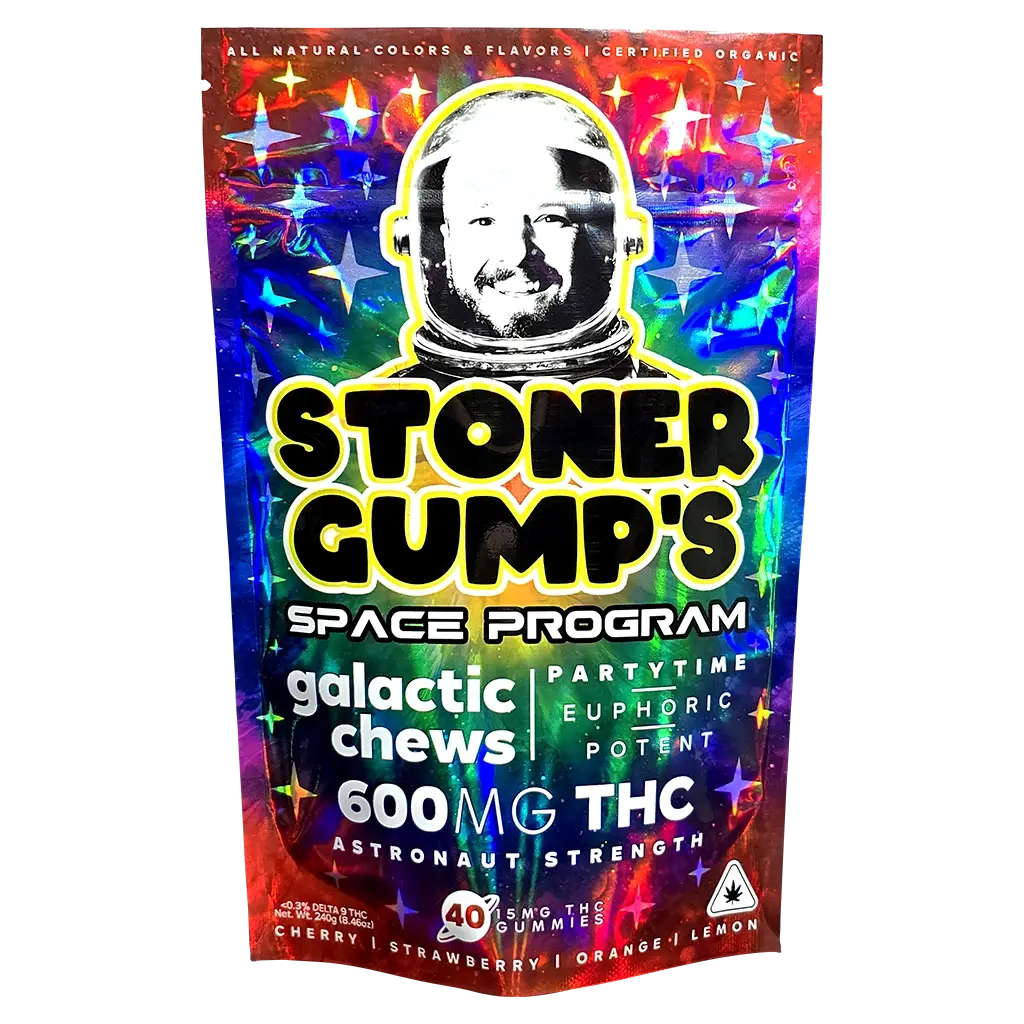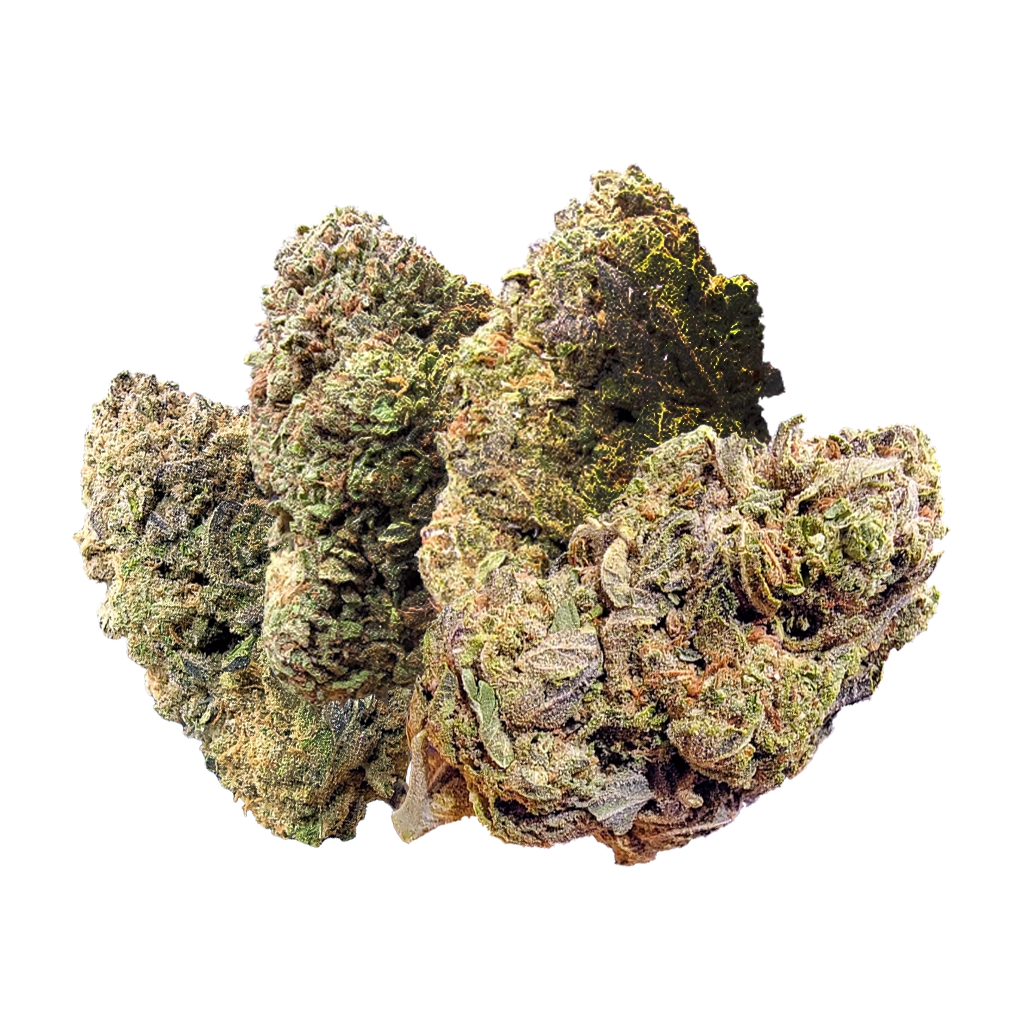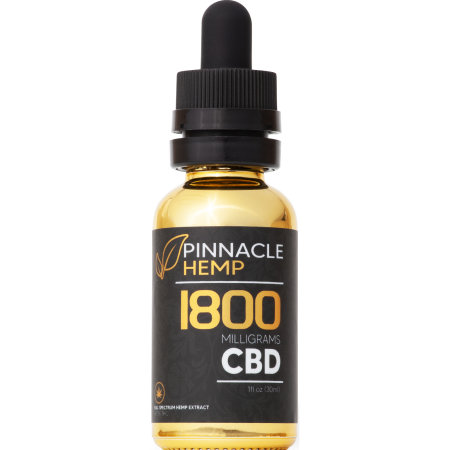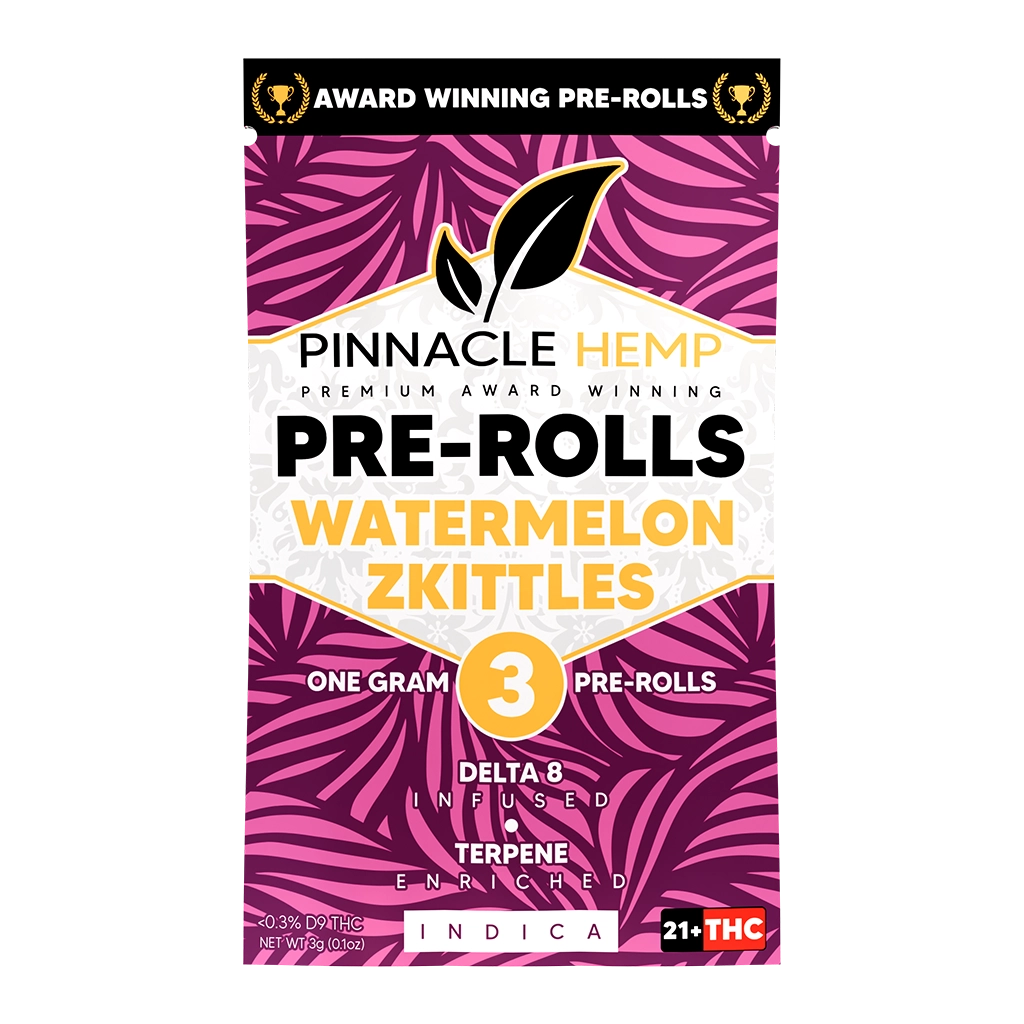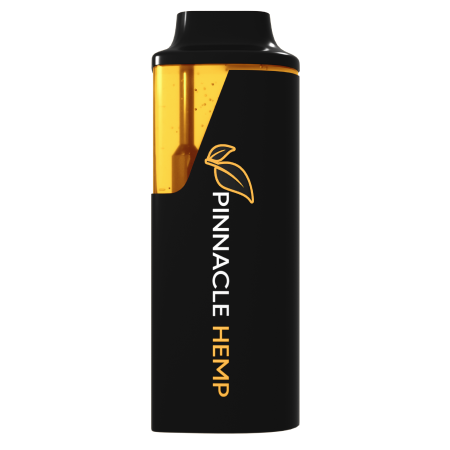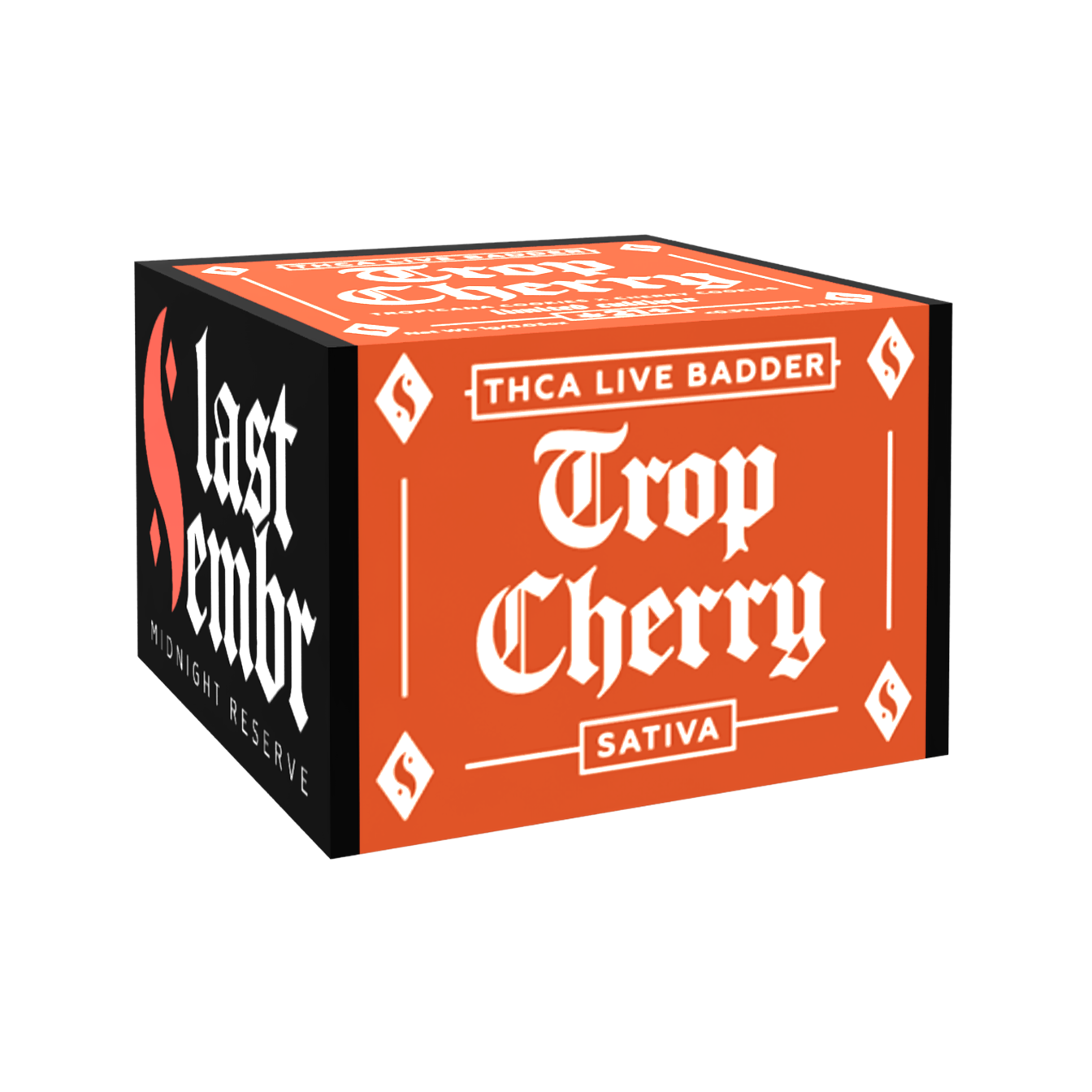

A jar can look loud, smell like sweet tropical fruit, and carry a strain name that belongs on a top-shelf menu. But none of that tells you what is actually inside. That is why hemp needs lab testing: a third-party Certificate of Analysis, or COA, turns big potency claims and compliance language into proof you can review before you light up, load a vape, or add a gummy to your routine.
For adult hemp shoppers, lab results are not boring paperwork. They are the receipt for quality. A solid COA helps confirm that the flower is accurately represented, the concentrate was handled responsibly, and the product meets the standards you expect from a federally compliant hemp purchase.
Lab testing confirms what the product really contains
Cannabinoids are the first thing most shoppers check, especially when they are choosing THCA flower, a potent disposable, or a cannabinoid-forward gummy. The label may list THCA, CBD, Delta-8, Delta-9, THCP, or a blend. Testing shows the measured amount of those compounds rather than relying on a marketing estimate.
That distinction matters because cannabinoid content can vary from plant to plant and batch to batch. Growing conditions, harvest timing, curing, extraction, and formulation all affect the final numbers. Two jars from the same strain family can have different results, even when both are excellent. Honest brands test the actual batch instead of treating one old result as a permanent shortcut.
For THCA flower, shoppers should understand the difference between THCA and Delta-9 THC. THCA is the naturally occurring acidic cannabinoid found in raw cannabis and hemp flower. When heated, it converts into Delta-9 THC. A COA can show THCA, Delta-9 THC, and total THC, giving you a clearer read on the flower’s cannabinoid profile and its compliance status.
A common calculation is total THC = Delta-9 THC + (THCA x 0.877). The 0.877 factor accounts for molecular weight lost during conversion. You do not need to do chemistry before every order, but you should know that a high-THCA flower can deliver a very different experience after combustion than its raw Delta-9 number alone might suggest.
Why hemp needs lab testing for legal compliance
The 2018 Farm Bill established the federal framework for hemp by defining it as cannabis with no more than 0.3% Delta-9 THC on a dry-weight basis. That is why credible hemp retailers publish testing documentation and pay close attention to batch-specific cannabinoid data.
Still, hemp law is not a one-line label claim. State rules, shipping restrictions, product categories, and enforcement priorities can differ. A COA is not a legal opinion, and it does not replace checking the rules where you live. What it does provide is an independent record of the product’s tested cannabinoid content and a stronger basis for a brand’s compliance claims.
This is particularly relevant with products that live close to the cutting edge of cannabinoid culture. THCA flower, hemp-derived Delta-9 edibles, and rare-cannabinoid formulas deserve more transparency, not less. If a seller is vague about testing while making very specific promises about potency or legality, that is a reason to pause.
Clean hemp takes more than a pretty COA
Potency is only one lane of a complete testing program. Hemp is a bioaccumulator, meaning it can absorb compounds from the soil where it grows. That is useful in some agricultural settings, but it also means cultivation and post-harvest handling matter a lot.
Depending on the product and testing panel, a COA may screen for pesticides, heavy metals, microbial contaminants, mycotoxins, and residual solvents. Each category answers a different question.
Pesticide testing looks for agricultural chemicals that should not be part of your smoke or wellness routine. Heavy-metal testing can identify compounds such as lead, arsenic, cadmium, and mercury that may come from soil, water, or processing equipment. Microbial and mycotoxin testing helps assess issues related to mold, yeast, bacteria, and improper storage. Residual-solvent testing is especially important for extracts, live resin, live badder, cartridges, and other products made through extraction.
Not every product requires the exact same panel. Flower has different risks than a distillate gummy, and a CBD topical is not evaluated the same way as a live-resin vape. The point is not to demand identical paperwork for every format. The point is to expect testing that makes sense for what you are buying.
Terpenes turn numbers into a better strain choice
Potency gets attention, but it does not tell the full story of a strain. Terpenes are aromatic compounds that help create the citrus peel, juicy berry, creamy candy, pine, pepper, and subtle gas notes that make a flower or concentrate memorable.
A terpene panel can help shoppers move beyond chasing the highest percentage on the menu. One high-THCA cultivar may lean bright and energetic in aroma with limonene-forward character, while another carries deeper earth, fruit, and fuel notes. Neither is automatically better. It depends on what you enjoy and the type of session you want.
Terpene results are especially useful when buying online, where you cannot open a jar and catch the first whiff yourself. They give some real-world context to a strain description. They are not a guarantee of a specific effect, because cannabis experiences vary by person, dose, tolerance, setting, and product format. But they are a meaningful part of choosing a profile that sounds like your lane.
How to read a COA without making it homework
A good COA should be easy to connect to the product in your cart. Start by checking that the product name, batch or lot number, and sample information line up. A report for a different strain, old production run, or unrelated item is not enough.
Next, look for the testing laboratory, report date, and results table. Potency results should show cannabinoids in a clear unit, often percentages for flower and milligrams per gram or package for edibles and extracts. For gummies, pay attention to the amount per piece as well as the total amount in the package. A 100 mg bag with ten pieces is a much different starting point than a single 100 mg serving.
Then scan the contaminant section. “ND” usually means not detected, while “pass” indicates the sample met the applicable threshold used by that lab or program. If you see a detection, do not assume the product is automatically unsafe or automatically acceptable. Look at the stated limit, the measured amount, and whether the report indicates a pass or fail.
Finally, check freshness. Hemp products do not become useless the day after a test, but a current, batch-specific result shows that a retailer is actively managing quality. This matters for terpene-rich flower and concentrates, where careful packaging and storage help preserve the sensory details you paid for.
Testing protects your experience, not just the brand
Lab testing is often framed as a compliance box to check. It is more useful to think of it as a way to protect the experience you came for. If you want smooth, flavorful flower with a clear cannabinoid profile, a COA helps you shop with less guesswork. If you are using CBD tinctures, gummies, or topicals as part of a personal wellness routine, accurate labeling helps you dose consistently and discuss your choices with a healthcare professional when needed.
It also creates accountability. Brands can make any number of claims about organic cultivation, premium inputs, rare cannabinoids, or next-level potency. Third-party results give shoppers a way to compare those claims against measurable data. At Pinnacle Hemp, that transparency is part of what makes a top-shelf hemp experience feel earned rather than hyped.
The best move is simple: before you commit to a new strain, extract, vape, or edible, take a minute to check the COA. Find the batch, read the cannabinoids, review the relevant safety panel, and choose the flavor and potency profile that fits your own comfort level. Great hemp should bring the loud aroma and the good vibes, but it should also bring the receipts.