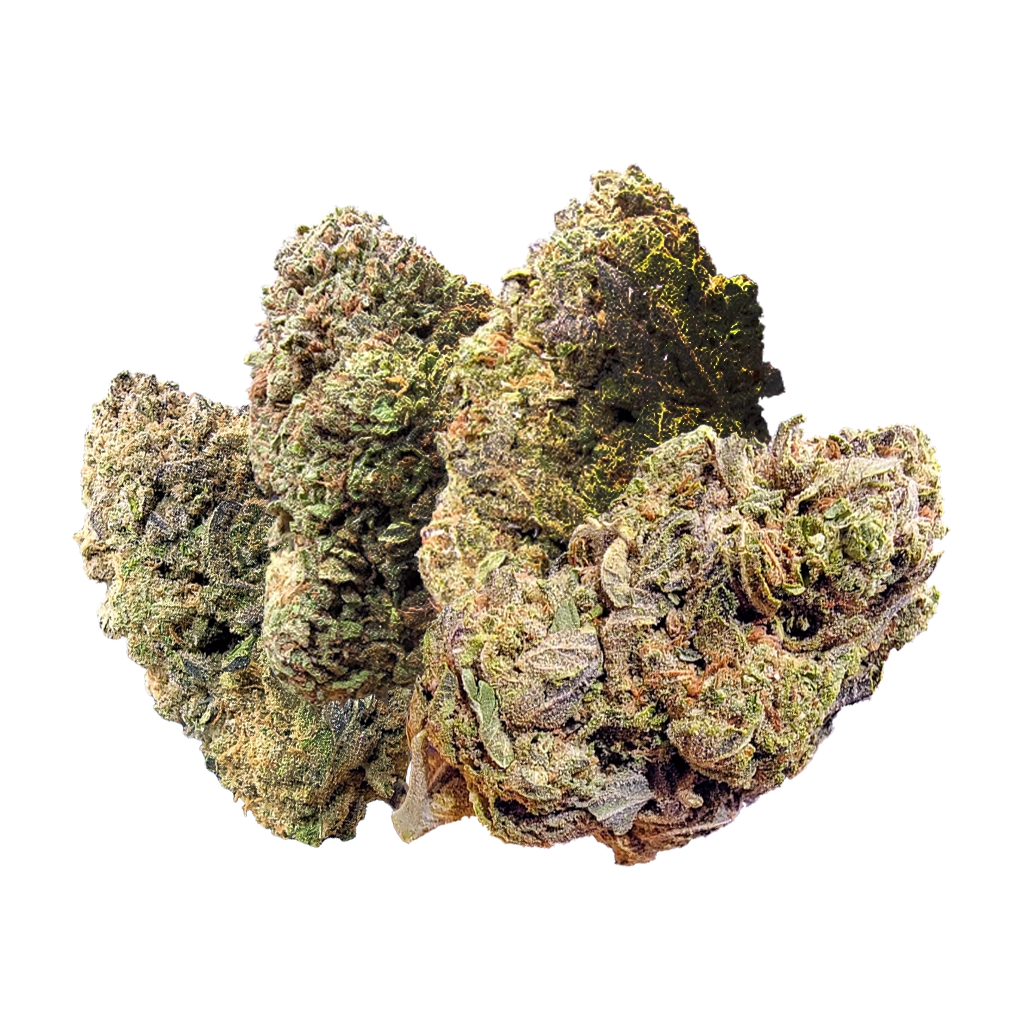

That first crack of a fresh THCA flower jar tells you plenty before a grinder ever touches the bud. Bright citrus, creamy candy, sharp pine, ripe berries, peppery spice, or a low, funky gas note all point back to terpene profiles in THCA flower. Potency may get the headline, but terpenes are often what make one strain feel like a repeat buy and another a one-and-done.
For shoppers who know their flower, terpene information is more than flavor copy. It is a useful way to compare strains, set expectations, and choose a jar that matches the kind of cannabis-style experience they want. The key is reading those profiles with a little nuance instead of treating any single terpene as a promise.
What terpene profiles in THCA flower really mean
Terpenes are naturally occurring aromatic compounds found throughout the plant world. They give lemons their zesty peel, pine trees their crisp scent, lavender its floral character, and hemp flower much of its signature aroma. In THCA flower, they work alongside cannabinoids and other plant compounds to create a strain’s overall sensory identity.
A terpene profile is the mix of individual terpenes present in a batch. One flower may lead with limonene and smell like sweet tropical fruit with a citrus pop. Another may be heavier in myrcene and caryophyllene, bringing earth, pepper, and a subtle gas finish. Two strains can post similar THCA percentages yet smell, taste, and land very differently because their terpene mixes are not the same.
This is why a label that only says “high potency” leaves out half the story. Cannabinoid content helps describe the flower’s chemistry, while terpenes help explain its personality. Neither number alone can perfectly predict an individual’s experience. Genetics, harvest timing, curing, storage, tolerance, consumption method, and setting all play a role.
The terpenes shoppers see most often
You do not need to memorize a chemistry textbook to shop smarter. Knowing a few common names and their familiar aroma cues can quickly narrow the field.
Myrcene
Myrcene is often associated with musky earth, clove, ripe fruit, and herbal notes. It shows up frequently in fuller-bodied, funkier flower and can make a profile feel rounder and deeper. If you gravitate toward grape, mango, earthy OG, or laid-back nighttime-style flavor profiles, myrcene is worth watching.
Limonene
Limonene brings citrus peel, lemon candy, orange zest, and bright tropical fruit. It is common in strains with an energetic, sunny nose and can keep sweeter profiles from becoming too heavy. A limonene-forward jar is a solid direction for anyone chasing tangy fruit instead of dense diesel.
Caryophyllene
Beta-caryophyllene is known for black pepper, baking spice, dry wood, and fuel-adjacent notes. It is a major player in many classic cannabis profiles, especially strains with a peppery, gassy, or cookie-like edge. When a flower has that spicy exhale that hangs around after a sweet inhale, caryophyllene may be doing some of the work.
Pinene
Pinene smells like fresh pine needles, rosemary, forest air, and sometimes a lightly sharp herbal note. It can cut through rich fruit and cream flavors with a clean, brisk finish. Fans of old-school haze, pine-forward hybrids, and herbal gas often appreciate pinene in the mix.
Linalool and humulene
Linalool contributes soft floral, lavender, and slightly sweet notes. Humulene leans earthy, woody, and hoppy, much like the aroma of fresh beer hops. They may not always top the chart, but both can add depth and sophistication to a profile that would otherwise read as simply sweet or gassy.
Why the total terpene percentage matters
A lab report may list individual terpenes and a total terpene percentage. That total gives you a rough sense of aromatic intensity, but it is not a universal scorecard. A 3% total terpene flower can be loud, flavorful, and excellent. A flower testing higher might be more pungent, yet not necessarily better for your palate.
Think of total terpenes like the volume knob, not the song itself. The individual makeup tells you whether the music is citrus, candy, pine, spice, floral notes, or straight-up gas. Freshness and curing determine whether that song still sounds clear when the jar reaches you.
Higher terpene content can also mean a more volatile flower. Terpenes are delicate and evaporate over time, especially when flower sits in heat, bright light, or a poorly sealed container. A beautiful COA from harvest season is valuable, but the nose test when you open the package still matters.
How to use terpene information when choosing a strain
Start with your preferred aroma and flavor families. If creamy candy, juicy berries, and dessert-like flower are your lane, look for profiles that feature limonene, linalool, or myrcene alongside supporting terpenes. If you want sharper fuel, pepper, and classic cannabis funk, caryophyllene, myrcene, and humulene are often good signals. Pine lovers should keep an eye out for pinene, while citrus fans can follow limonene.
Then look at the entire product description, not only the dominant terpene. A top note can grab your attention, but the supporting compounds create the finish. A limonene-led strain with caryophyllene may read as lemon-pepper gas. Limonene with linalool can move toward citrus candy or floral fruit. Myrcene with pinene can land somewhere between earthy herb and fresh woods.
This is also where strain names deserve a reality check. Names can hint at a family of flavors, but they are not a lab result. One grower’s Rainbow Runtz may throw louder berry candy, while another batch leans creamier or more fuel-forward. Review the stated flavor notes and available certificate of analysis for the specific product whenever possible.
At Pinnacle Hemp, strain descriptions are built to help shoppers connect those details: sweet tropical fruit, juicy berries, creamy candy notes, or a subtle gas finish. The goal is not to turn buying flower into homework. It is to give you enough information to pick a jar with confidence.
Why cultivation and curing can make or break the profile
Genetics set the potential, but the grow and cure decide how much of that potential reaches the final flower. Terpenes can be lost through excessive heat, rough handling, over-drying, or rushed processing. Organically grown, carefully handled US hemp may have a better chance of arriving with its natural character intact, but the real proof is in a clean aroma, properly cured texture, and transparent testing.
Curing deserves more respect than it gets. Freshly harvested flower can smell green or grassy when chlorophyll and moisture have not been managed correctly. A thoughtful cure helps develop a smoother, more defined expression of the strain. That is the difference between “fruit” as a vague label and a jar that actually gives off ripe berry, citrus peel, or tropical candy when opened.
Storage continues the job after purchase. Keep THCA flower sealed in an airtight container, away from direct sunlight, high heat, and damp environments. Avoid leaving it in a hot car or open on a counter for days. A little care preserves aroma, flavor, and the quality you paid for.
A quick word on effects and expectations
Terpenes are frequently discussed alongside the “entourage effect,” the idea that cannabis compounds may interact in ways that shape the overall experience. It is an interesting area of cannabis science, but it should not be oversold. Research is still developing, and the same terpene profile can feel different from person to person.
Use terpene descriptions as shopping guidance, not a medical claim or a guarantee. If you are using hemp products as part of a wellness routine, have a medical condition, are pregnant or nursing, or take prescription medications, talk with a qualified healthcare professional first. And because THCA flower can convert to intoxicating delta-9 THC when heated, adults should consume responsibly and understand the rules where they live.
Let your nose lead, then let the lab back it up
The best THCA flower shopping habit is simple: follow flavors you genuinely enjoy, then verify the details. A transparent COA can confirm cannabinoid content and help show that a product has been tested, while terpene information gives the strain a more human, sensory dimension.
Chase the bright lemon candy if that is your thing. Go for the peppery gas, deep grape funk, or clean pine if that is what keeps you coming back. The right terpene profile is not the one with the biggest number on paper – it is the one that makes opening the jar feel like you picked exactly right.