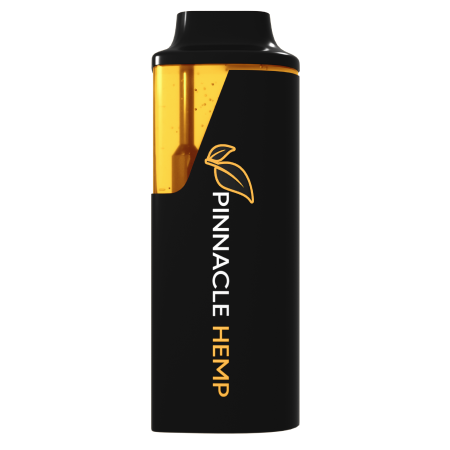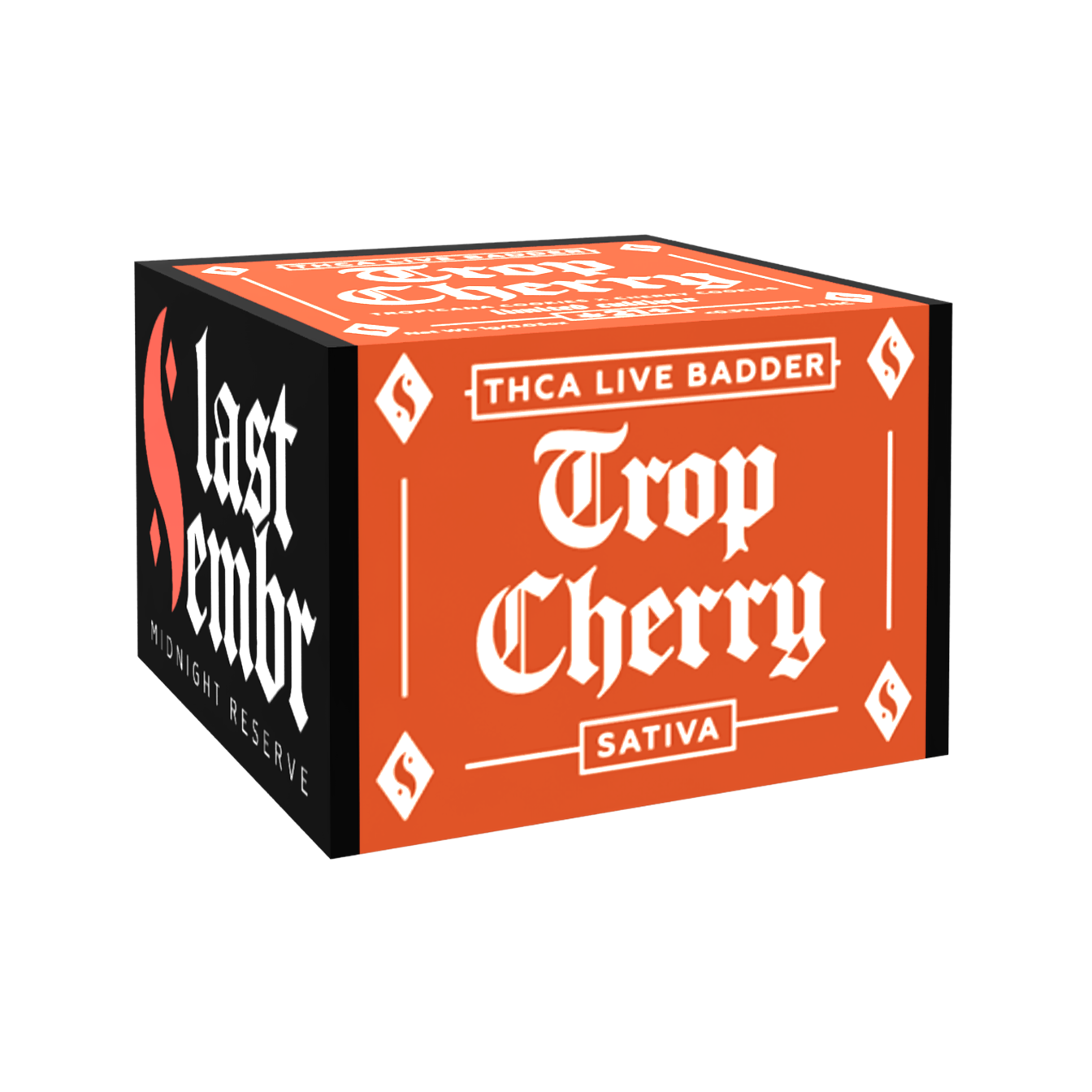

A cart can say 90%+ cannabinoids and still feel like a completely different ride from the next one. That is the real conversation behind live rosin versus distillate. One leans hard into fresh-plant character, loud terpenes, and strain nuance. The other puts cannabinoid potency, consistency, and clean convenience front and center.
Neither is automatically better. The right move depends on what you want from the session: a juicy, strain-forward flavor chase, a straightforward high-potency vape, or something in between. Here is how to tell them apart without getting lost in concentrate jargon.
Live Rosin Versus Distillate: The Core Difference
Live rosin is a solventless extract made from material that was frozen fresh after harvest rather than dried and cured first. Producers typically wash that fresh-frozen hemp into ice-water hash, collect the trichome-rich resin, dry it, then press it with heat and pressure. No hydrocarbon solvents are used in the rosin-making process.
That fresh-frozen starting point matters. It helps preserve volatile aromatic compounds that can fade during drying, curing, and heavier refinement. A quality live rosin can carry a fuller picture of the plant: bright citrus, sweet tropical fruit, creamy candy, pine, pepper, or that subtle gas finish strain fans look for.
Distillate takes a different route. It is a highly refined extract, usually processed to isolate and concentrate a specific cannabinoid profile. In hemp products, that may mean CBD, Delta-8 THC, hemp-derived Delta-9 THC, THCP, or other cannabinoids, depending on the formula and applicable laws. The result is often thick, clear to amber oil with very high cannabinoid percentages.
Because much of the original plant material is refined away, distillate makers commonly add terpenes back in. Those may be cannabis-derived or botanically derived, and they can create anything from a recognizable strain-style profile to a bright fruit-candy flavor. A well-made distillate vape can taste excellent. It is simply built for a more controlled, repeatable experience than live rosin.
Why Live Rosin Feels So Strain-Forward
Live rosin is popular with people who do not want their concentrate to taste generic. Its appeal is not just that it is solventless. It is the sense of place and plant expression that comes through when the source material is excellent and the handling is dialed in.
Think of two products labeled with the same strain name. A live rosin version may reveal several layers over the course of a session: ripe berry on the first pull, floral sweetness in the middle, then earthy gas on the finish. That is the terpene-rich personality enthusiasts mean when they say a concentrate has depth.
The trade-off is that live rosin is less of a standardized ingredient. Its flavor, color, texture, and cannabinoid numbers can vary by harvest and batch. That variability is not necessarily a flaw. In premium extracts, it is often part of the point. But shoppers who want the same potency and flavor every time may prefer distillate.
Live rosin also tends to command a higher price. Fresh-frozen cultivation, hash washing, careful drying, pressing, and smaller yields make it labor-intensive. If your budget is focused on maximum cannabinoid milligrams per dollar, distillate usually has the edge.
What Distillate Does Better
Distillate is the workhorse of modern hemp products for good reason. It is versatile, potent, and easier to formulate with precision. It works especially well in disposable vapes, cartridges, gummies, tinctures, and other products where consistent dosing is a priority.
For shoppers who already know they enjoy a particular cannabinoid, distillate offers a clear lane. A Delta-8 distillate cart, for example, is designed around delivering that cannabinoid in a predictable format. A formula can also include minor cannabinoids and added terpenes to shape the experience and flavor.
Distillate’s cleaner, more neutral base lets flavor profiles come through with clarity. If you want a smooth pull that tastes like juicy watermelon, blue raspberry, or creamy candy without much earthy plant funk, distillate is often the better match. It is also typically more stable in vape hardware than more terpene-rich, less-refined extracts.
The limitation is that high percentage numbers do not tell the whole story. A distillate product can be extremely potent while offering less of the full-spectrum complexity some consumers associate with a flower-like or dab-like session. Potency is one metric. The overall formula, terpene quality, hardware, and how your body responds are the rest of the equation.
Flavor, Potency, and Effects Are Not the Same Thing
It is tempting to treat a potency percentage as a scoreboard. In reality, a 90% distillate and a lower-testing live rosin product can serve entirely different purposes. Distillate is often engineered to maximize a particular cannabinoid concentration. Live rosin carries a broader set of naturally occurring plant compounds, which can lower the headline percentage while increasing aromatic complexity.
Terpenes deserve attention here, but not magical thinking. They are aromatic compounds that influence how a product smells and tastes, and many shoppers find that terpene profiles help them choose products that fit their preferences. A limonene-forward extract may smell citrusy and bright; myrcene often reads as musky, herbal, or fruity; caryophyllene can bring peppery spice and gas.
No terpene label can promise a specific outcome for every person. Your tolerance, dose, setting, and individual body chemistry matter. Use strain descriptions as a sensory roadmap, not a guarantee.
How to Choose Between Live Rosin and Distillate
Start with the experience you are actually shopping for. If you love cracking open a jar of loud flower, comparing strain notes, and noticing the difference between candy-forward and diesel-forward profiles, live rosin belongs on your radar. It is for the person who wants their extract to keep some of the plant’s original voice.
If you value a dependable everyday cart, bold added flavors, higher cannabinoid percentages, and a more accessible price point, distillate is hard to beat. It is especially practical when you want a product that is easy to understand: cannabinoid first, flavor second, no guesswork.
A few buying checks matter regardless of extract type:
- Read the certificate of analysis for cannabinoid potency and safety screening.
- Check whether terpenes are listed and whether the product identifies its extraction style clearly.
- Choose reputable hardware, because poor components can ruin even excellent oil.
- Start with a small pull or a low serving, especially with potent cannabinoids or a new formula.
For federally compliant hemp products, labels and lab reports should make the product’s cannabinoid content clear. Laws and regulations can change, and state restrictions may apply, so confirm that a product can be legally shipped to your location before ordering.
Does Solventless Always Mean Better?
No. Solventless is a production choice, not an automatic quality stamp. Great live rosin begins with exceptional fresh-frozen material and requires careful handling all the way through pressing and storage. Poor input material or sloppy processing will not become top-shelf simply because no solvents were used.
The same standard applies to distillate. A quality distillate product should be transparently tested, formulated with appropriate ingredients, and housed in dependable hardware. It should taste clean, perform consistently, and accurately represent what is inside.
One more practical consideration: live rosin can be more sensitive to heat, light, and time. Store concentrates and vapes upright in a cool, dark place, away from hot cars and direct sun. This helps protect texture, flavor, and overall performance. Distillate is generally more forgiving, but it still benefits from smart storage.
The Better Pick Is the One You Will Enjoy
Live rosin brings the fresh, terpene-heavy side of hemp concentrates into focus. Distillate brings concentrated cannabinoids and reliable formulation to the front. One is not a luxury version of the other, and the other is not automatically a compromise. They are different tools for different moods.
If you are curious, make your next choice based on one detail you usually overlook. Pick live rosin when a strain’s real character is the whole mission. Pick distillate when potency, flavor consistency, and grab-and-go convenience are calling. Then give yourself time to notice the difference, one measured session at a time.