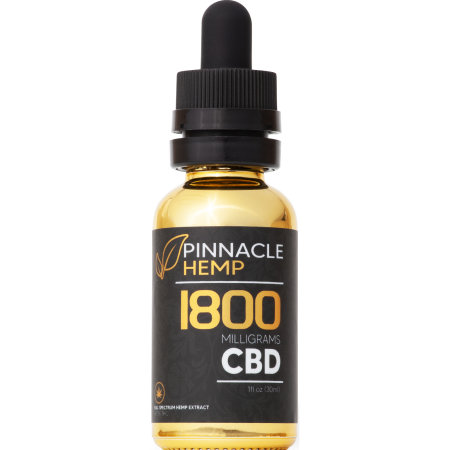

A hemp tincture can look simple: a small bottle, a dropper, and a milligram number on the front. But how to choose hemp tincture gets more interesting once you realize that two bottles with the same CBD number can deliver very different experiences. The extract type, carrier oil, terpene profile, serving size, and lab report all matter.
For shoppers who want an easy daily CBD option without the smoke, sugar, or wait time of other formats, tinctures are a clean fit. The move is not to chase the biggest number on the label. It is to choose a formula that makes sense for your goals, your tolerance, and your actual routine.
Start With the Experience You Want
Before comparing bottles, get clear on why a tincture fits your lineup. Some adults want a straightforward CBD formula to use as part of an evening wind-down. Others want a daytime option that is easy to measure, easy to travel with, and free of a loud cannabis aroma. A tincture can also be useful when you want more control than a gummy offers, since you can adjust the amount in small increments.
Think about timing, too. Held under the tongue, a tincture may be felt sooner than an edible that must travel through digestion. Swallowing it or mixing it into a drink can make the onset feel more like an edible, and the timing may be less predictable. Bodies respond differently, so leave room to learn your own rhythm rather than expecting a carbon-copy experience from a friend or a review.
If you are brand new to hemp, a simple CBD-forward tincture is often the easiest place to begin. Experienced cannabinoid shoppers may prefer a fuller hemp profile or a targeted blend, but bigger and broader are not automatically better. Your ideal formula depends on what you want from the bottle and how comfortably you tolerate hemp-derived cannabinoids.
How to Choose Hemp Tincture by Extract Type
The words full-spectrum, broad-spectrum, and isolate describe what is in the extract beyond CBD. They are not interchangeable marketing terms.
Full-spectrum hemp extract
Full-spectrum tinctures contain CBD plus other naturally occurring hemp compounds, which can include minor cannabinoids, terpenes, and trace amounts of THC. Federally compliant hemp products must stay at or below 0.3% delta-9 THC by dry weight, but “trace” does not mean “zero.”
This option appeals to shoppers who want a more complete, plant-forward hemp profile. The trade-off is simple: even legal, low-level THC may not be the right choice for everyone. If you are subject to drug testing, need to avoid THC entirely, are pregnant or nursing, or have a medical or medication-related concern, speak with a qualified clinician before using cannabinoid products.
Broad-spectrum hemp extract
Broad-spectrum formulas generally retain multiple hemp compounds while removing THC to non-detectable levels. They can be a smart middle lane for someone who wants more than CBD isolate but prefers a THC-free formula.
Read the lab report instead of taking the front label at face value. “THC-free” should be supported by a current certificate of analysis showing non-detectable THC for that product batch. No hemp product can guarantee a drug-test outcome, so cautious shoppers should treat workplace testing as a serious consideration, not a footnote.
CBD isolate
CBD isolate is the stripped-back option. It contains CBD without the wider lineup of hemp compounds found in broad- or full-spectrum extracts. If you want a clean, uncomplicated formula with a neutral flavor and minimal variables, isolate makes sense.
The trade-off is that isolate does not offer the terpene-rich, whole-plant character many cannabis enthusiasts enjoy. That is not a quality problem. It is a preference call.
Read Potency Like a Pro
A bottle labeled “1,000 mg CBD” sounds powerful, but the number only tells part of the story. What matters most is how much CBD you get per milliliter and per serving.
A common 30 mL bottle containing 1,000 mg of CBD provides roughly 33 mg per mL. If the dropper holds 1 mL, a full dropper delivers about 33 mg. If your bottle is 60 mL with the same 1,000 mg total, the concentration is closer to 17 mg per mL. Same headline number, very different dropper math.
Look for a clear label that states total cannabinoid content, bottle size, serving size, and milligrams per serving. Be skeptical of vague language like “extra strength” without the numbers to back it up. Precision matters because it lets you repeat what works or dial it back when needed.
There is no universal CBD serving that fits every adult. A practical approach is to start low, use the same amount consistently for several days, and adjust gradually only if you want to. Keep a quick note on the amount, timing, food intake, and how you felt. That is more useful than guessing whether half a dropper was “a lot.”
Check the COA Before You Commit
A certificate of analysis, usually called a COA, is the receipt for what is actually in the bottle. Premium hemp products should have accessible third-party lab testing tied to the specific batch, not a generic report from years ago.
A useful COA confirms the cannabinoid potency and shows whether THC is detected. It should also screen for common contaminants, including pesticides, heavy metals, residual solvents, and microbial impurities. If a brand only shows a cannabinoid panel but says nothing about contaminants, you do not have the full picture.
Match the batch or lot number on the bottle to the number on the report whenever possible. Also check the testing date. Hemp extracts and oils are not forever products, and current documentation signals that the brand takes quality control seriously.
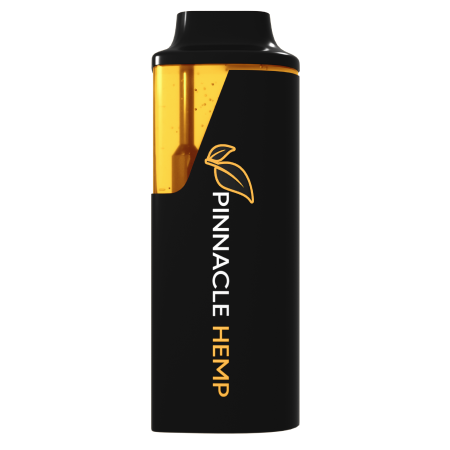
Pinnacle Hemp puts lab-tested, federally compliant hemp at the center of the experience, because the vibe can be flavorful and elevated without leaving shoppers in the dark about what is in the formula.
Do Not Ignore the Carrier Oil and Flavor
CBD needs a carrier oil, often MCT oil from coconut, hemp seed oil, or olive oil. This ingredient affects flavor, texture, and personal tolerance. MCT oil is popular because it is light and fairly neutral, though it can bother sensitive stomachs. Hemp seed oil brings a more earthy, nutty profile. Olive oil has a richer taste and may appeal to shoppers who prefer a pantry-familiar base.
Flavor is not just cosmetic. A naturally earthy hemp tincture can be great for someone who loves that fresh plant character, while a peppermint or fruit-forward formula may be easier to use every day. Check the full ingredient list for sweeteners, artificial flavors, allergens, and botanicals that do not work for you.
Terpenes can also shape the sensory experience. Citrus-forward terpenes may taste bright and lively, while herbal, floral, or piney profiles lean more classic cannabis. Treat terpene descriptions as a guide to aroma and flavor, not a promise of a particular effect.
Match the Formula to Your Routine
An unflavored, straightforward CBD tincture usually wins for flexibility. It can go under the tongue, into a smoothie, or into a favorite drink, and it makes it easier to judge the hemp itself. A flavored formula may win if consistency is your biggest hurdle. The best tincture is the one you will actually use as intended.
Consider bottle size, too. A high-potency bottle can offer better value per milligram for regular users, but a smaller bottle may be smarter for a first try. Hemp oil has a shelf life, and buying a giant bottle that sits untouched in a warm cabinet is not a bargain.
Store tinctures sealed, away from heat and direct sunlight. Shake gently if the label directs you to do so, use the marked dropper for accurate servings, and do not share droppers. If the oil develops an unusual smell, taste, or appearance before its expiration date, stop using it and contact the seller.
A Final Reality Check on Safety
Hemp tinctures are not a substitute for medical care, and labels should not make disease-treatment promises. CBD and other cannabinoids may interact with medications, including some that carry grapefruit warnings. Talk with a healthcare professional or pharmacist before use if you take prescription medication, have a health condition, or are unsure whether a formula fits your situation.
Choose the bottle whose numbers you understand, whose lab report you can verify, and whose ingredients fit your routine. That kind of confidence hits better than any oversized potency claim.