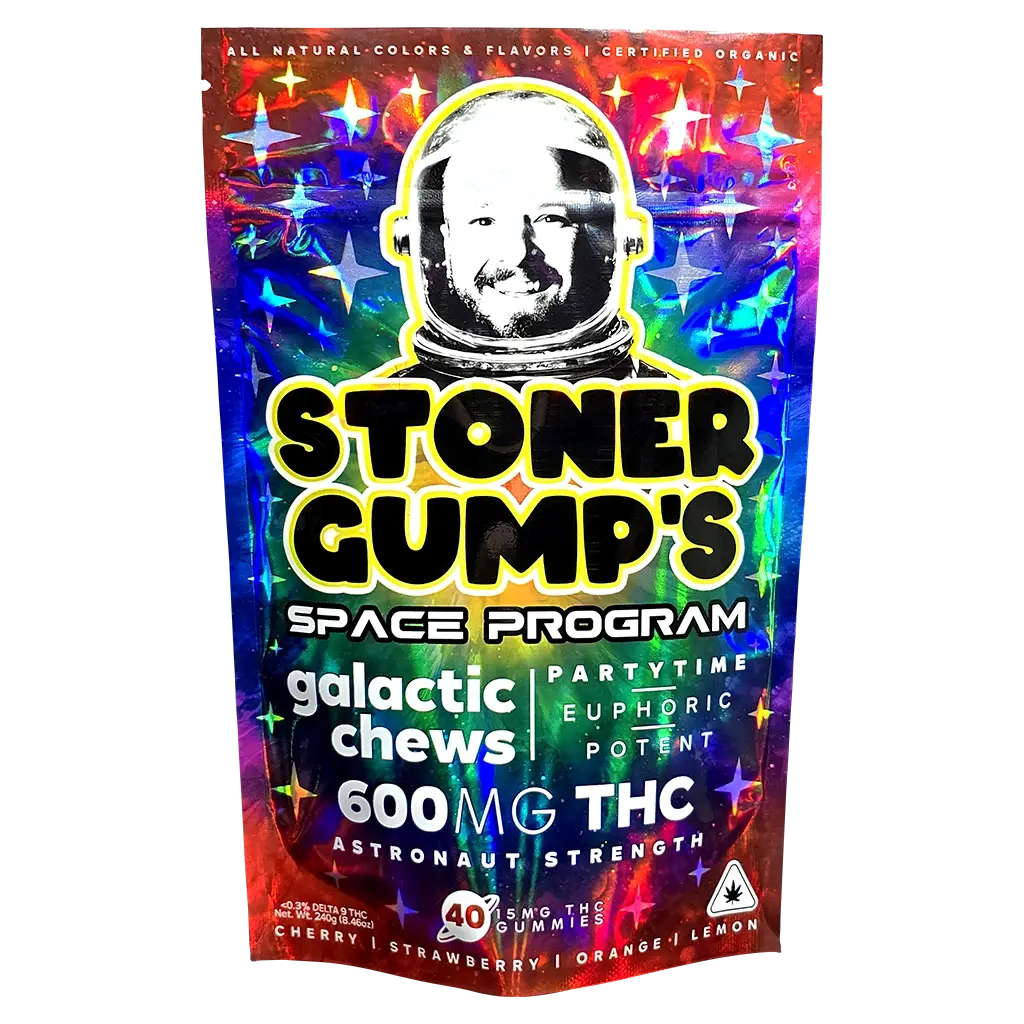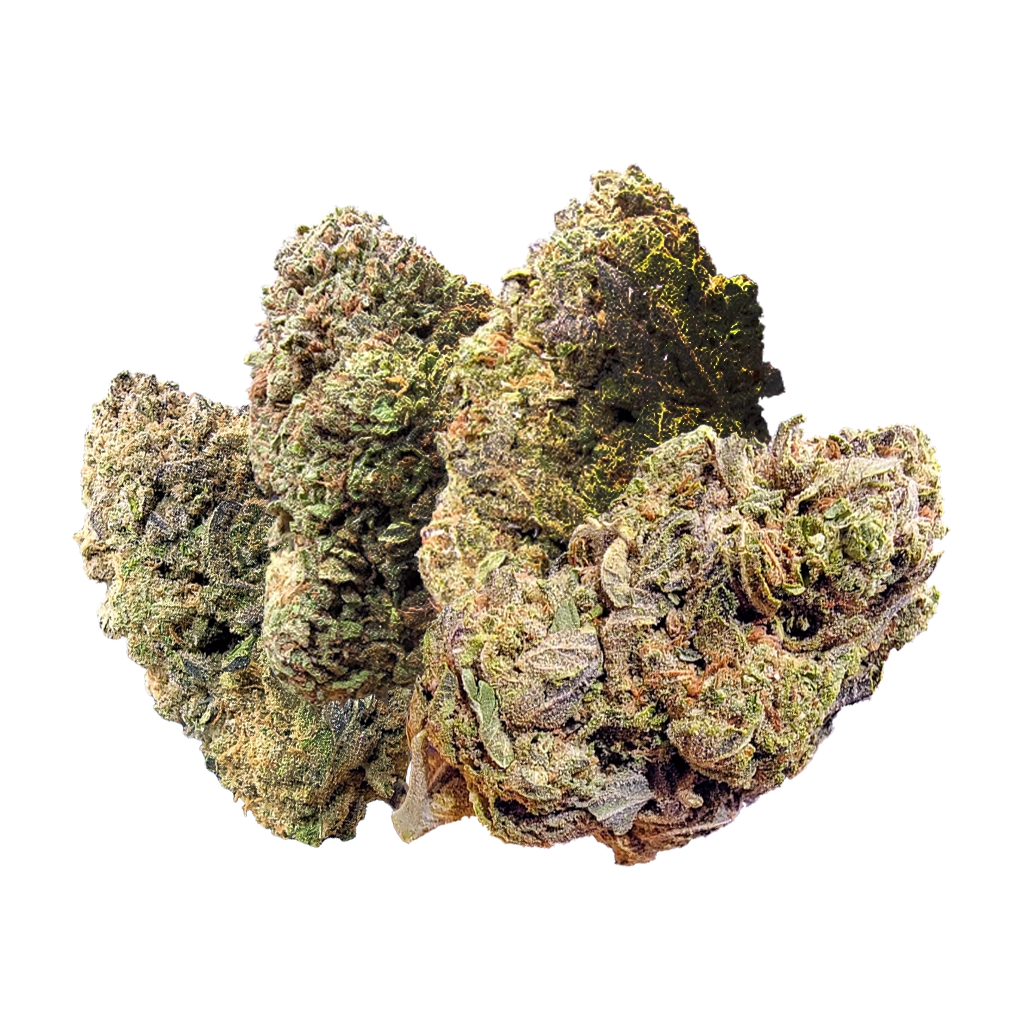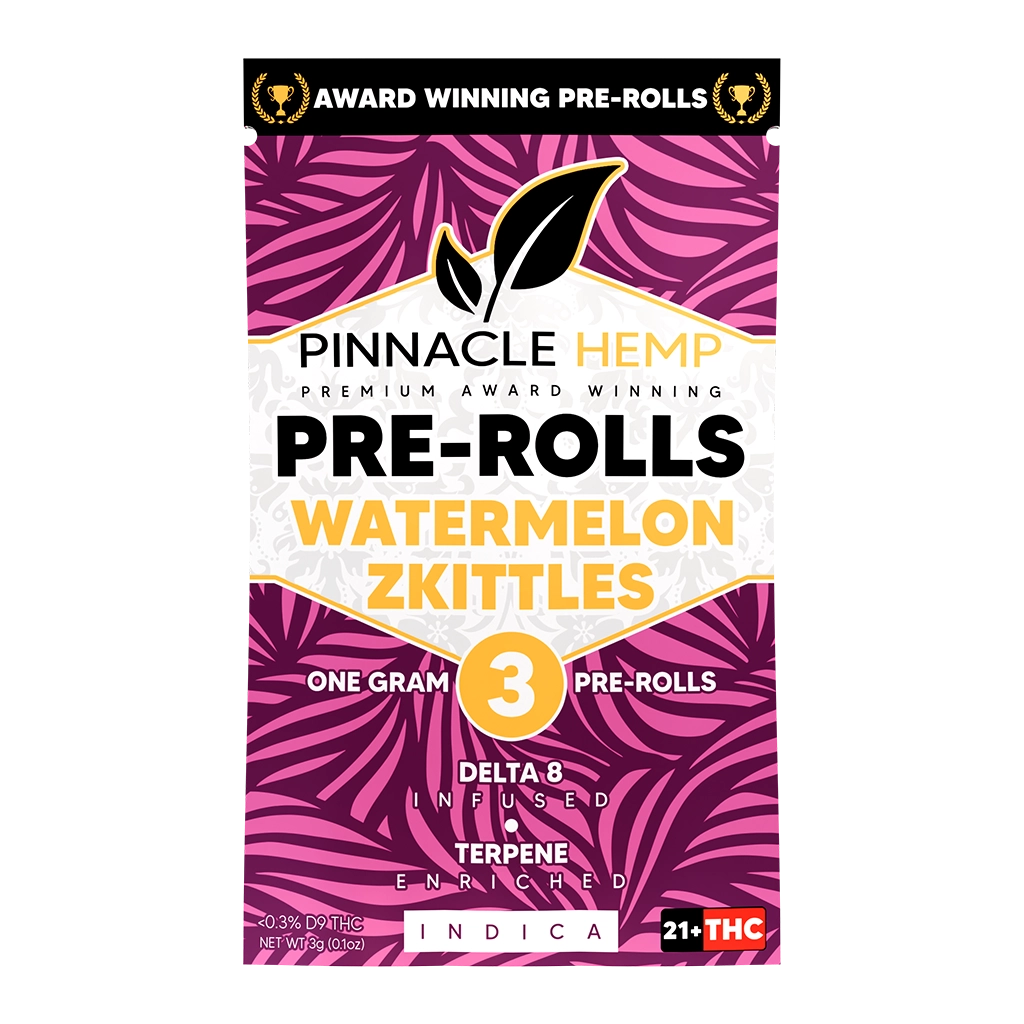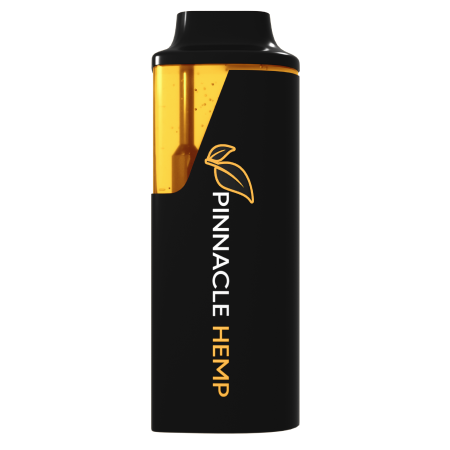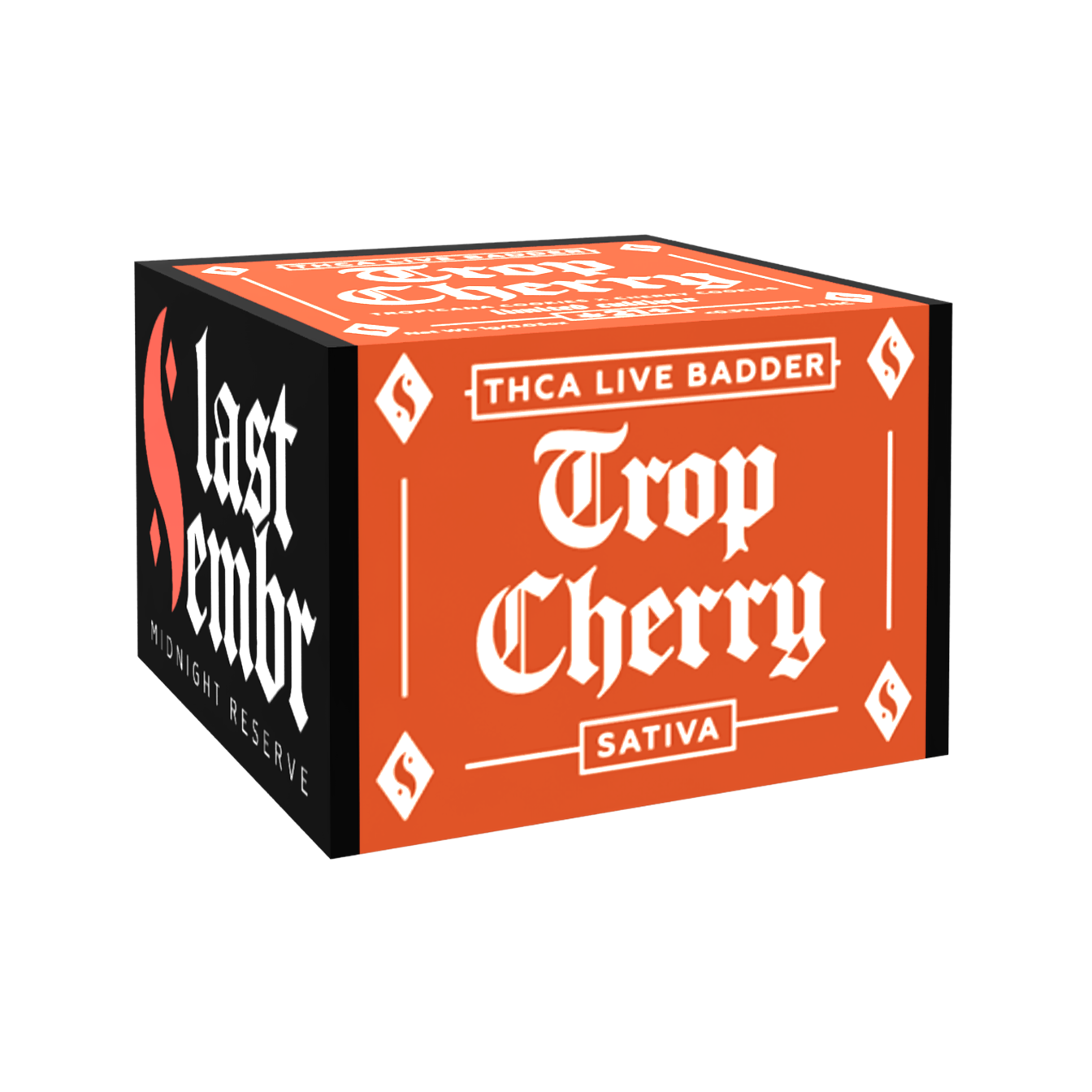

A frosty jar of THCA flower, a fruit-forward gummy, or a live resin vape can look straightforward at checkout. Hemp regulations are the reason the details behind that product matter just as much as the terpene notes, cannabinoid percentage, or strain name. They shape what qualifies as hemp, what can move across state lines, which products a retailer can ship to your door, and why a real lab report is non-negotiable.
For shoppers, the goal is not to turn every order into a law-school assignment. It is to know the signals of a compliant product, understand why availability changes by state, and shop with clear eyes when a label makes big claims.
The Federal Baseline for Hemp Regulations
At the federal level, the 2018 Farm Bill created the core definition that still drives the legal hemp market: hemp is Cannabis sativa L. and its derivatives containing no more than 0.3% delta-9 THC on a dry-weight basis. That definition opened the door for legal hemp cultivation and for a wide range of hemp-derived products, from CBD tinctures and topicals to flower, concentrates, and gummies.
That 0.3% number gets repeated constantly, but it is only one piece of the picture. It does not mean every hemp-derived cannabinoid is treated the same everywhere, and it does not mean every product sold online can be shipped to every ZIP code. Federal rules establish a framework. States add their own restrictions, enforcement priorities, definitions, and product rules on top of it.
There is also a critical distinction between hemp regulation and general product regulation. The Farm Bill did not give every ingestible or therapeutic hemp product a blank check. Federal agencies retain authority over areas such as food, dietary supplements, cosmetics, labeling, and unapproved medical claims. A bottle of CBD oil cannot legally promise to diagnose, treat, cure, or prevent a disease simply because it comes from hemp.
That is why trustworthy brands talk about formulation, cannabinoid content, batch testing, and intended product use instead of selling miracle cures. If a product claims it will replace medication or fix a serious condition overnight, the red flag is waving before you even open the package.
Why State Laws Can Change Your Cart
The phrase “federally compliant” matters, but it is not the same as “available everywhere.” State hemp laws can be more restrictive than the federal baseline. Some states limit particular cannabinoids, some regulate hemp drinks or edibles differently from flower, and some set rules around packaging, serving sizes, age gates, testing, or retail licensing.
THCA is one of the clearest examples of why shoppers should pay attention. In raw cannabis flower, THCA is the acidic precursor to THC. Heat can convert THCA into THC, which is why a hemp flower product may carry a strong cannabis-style experience after smoking or vaping even if its reported delta-9 THC level fits the federal dry-weight threshold.
How THCA flower is tested and treated has been a major point of legal and policy debate. Federal, state, and local interpretations can differ, and policies can shift. Some jurisdictions focus on delta-9 THC as sold, while others take a broader view that considers potential THC after decarboxylation. The practical takeaway is simple: a compliant COA and a legal online listing do not override the law where you live.
The same goes for delta-8, hemp-derived delta-9 products, THCP, and other minor or alternative cannabinoids. These products may be broadly available in some markets and restricted or prohibited in others. There is no universal shortcut. A responsible retailer checks shipping restrictions, and a responsible shopper understands that a product’s status can depend on the destination state.
Shipping Is a Compliance Question, Not Just Logistics
Fast, discreet shipping is part of a good hemp buying experience. It also has to be handled with discipline. Retailers commonly maintain state-by-state shipping policies because sending a product into a restricted market can create a problem for everyone involved.
If an item disappears from your cart after entering your address, that is often a compliance safeguard rather than a glitch. It may be tied to a state rule, a cannabinoid-specific restriction, or a policy change. Annoying? Sometimes. Better than receiving a product that should not have been sent there? Absolutely.
Rules also evolve. Before trying a new cannabinoid or placing a larger bulk order, take a quick look at the retailer’s current shipping information and your state’s requirements. This is especially smart for travelers, military personnel, and anyone sending a gift across state lines.
COAs Are Your Best Reality Check
A certificate of analysis, usually called a COA, is a batch-specific laboratory report. It is the receipt behind the hype. A quality COA should help you verify that the product in front of you matches the cannabinoid profile on the label and has been screened for contaminants.
For flower and concentrates, cannabinoid results can show delta-9 THC, THCA, CBD, CBG, and other reported compounds. For gummies, tinctures, and vapes, the report should align with the stated milligrams per serving and per package. A result that is wildly different from the label, or a report with no batch connection to the item, deserves skepticism.
Contaminant testing matters just as much as potency. Depending on the product and lab panel, this may include pesticides, heavy metals, residual solvents, microbial contaminants, and mycotoxins. Concentrates deserve particular attention because extraction can concentrate more than just the desirable compounds when quality control is weak.
A COA is not a decorative QR code. Check that it identifies the lab, names the product or batch, includes a test date, and provides readable results. If the report is missing, impossible to access, or too vague to connect to what you are buying, move on. There are too many better options in the hemp market.
What Labels Should Tell You Before You Buy
Compliance and a great experience can coexist. You can chase creamy candy notes, juicy berries, old-school gas, or a bright citrus finish while still demanding clean, specific product information. In fact, the brands worth returning to make both easy to find.
For any hemp product, look for a clear ingredient list, total cannabinoid amount, serving size when applicable, and straightforward use instructions. Inhalable products should identify what is in the formulation, not hide behind vague phrases. Gummies should state how much cannabinoid is in each piece, not only the total amount in the jar.
Packaging should also carry appropriate age and safety messaging. Keep cannabinoid products away from children and pets, and do not mistake candy-style flavor for a reason to treat gummies casually. Start with a low amount if you are new to a cannabinoid, especially with edibles. Effects may take longer to arrive and can last much longer than an inhale.
Avoid driving or operating machinery after using intoxicating hemp products. You should also consider drug-testing risk. Hemp-derived products, particularly full-spectrum, THCA, delta-8, delta-9, and other THC-related products, may produce a positive test. “Legal hemp” is not a guarantee of a negative workplace or athletic drug screen.
A Smarter Way to Shop Within Hemp Regulations
You do not need to memorize every statute to make better choices. Build a quick pre-check into your routine, particularly when shopping outside familiar CBD products or trying a fresh drop.
- Confirm the product can be shipped to your state before you fall in love with the flavor description.
- Read the COA for the specific batch and compare its cannabinoid results with the label.
- Check the product format, total amount, and serving size so potency does not surprise you.
- Skip medical miracle claims and choose brands that are direct about ingredients, testing, and compliance.
There are real trade-offs. A lower-potency CBD tincture may be a better fit for a measured wellness routine than a high-potency gummy. A loud THCA cultivar may be exactly what an experienced flower fan wants, but it may not suit someone who is sensitive to THC-like effects or subject to drug testing. Live resin can bring richer terpene character, while a simple broad-spectrum formula may make more sense for a shopper focused on avoiding THC.
The best hemp purchase is not always the strongest option or the flashiest new cannabinoid. It is the product that fits your state, your tolerance, your desired experience, and a standard of transparency you can actually verify. Keep the COA close, respect local rules, and let the flavor hunt stay fun without getting reckless.