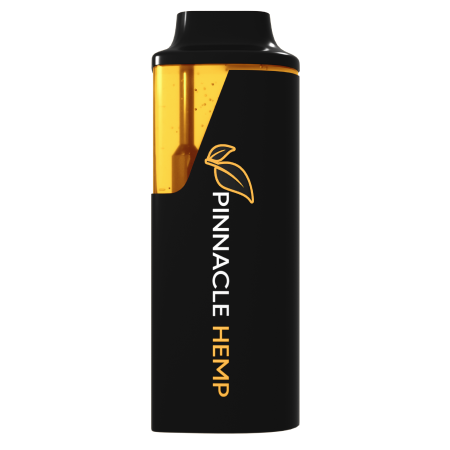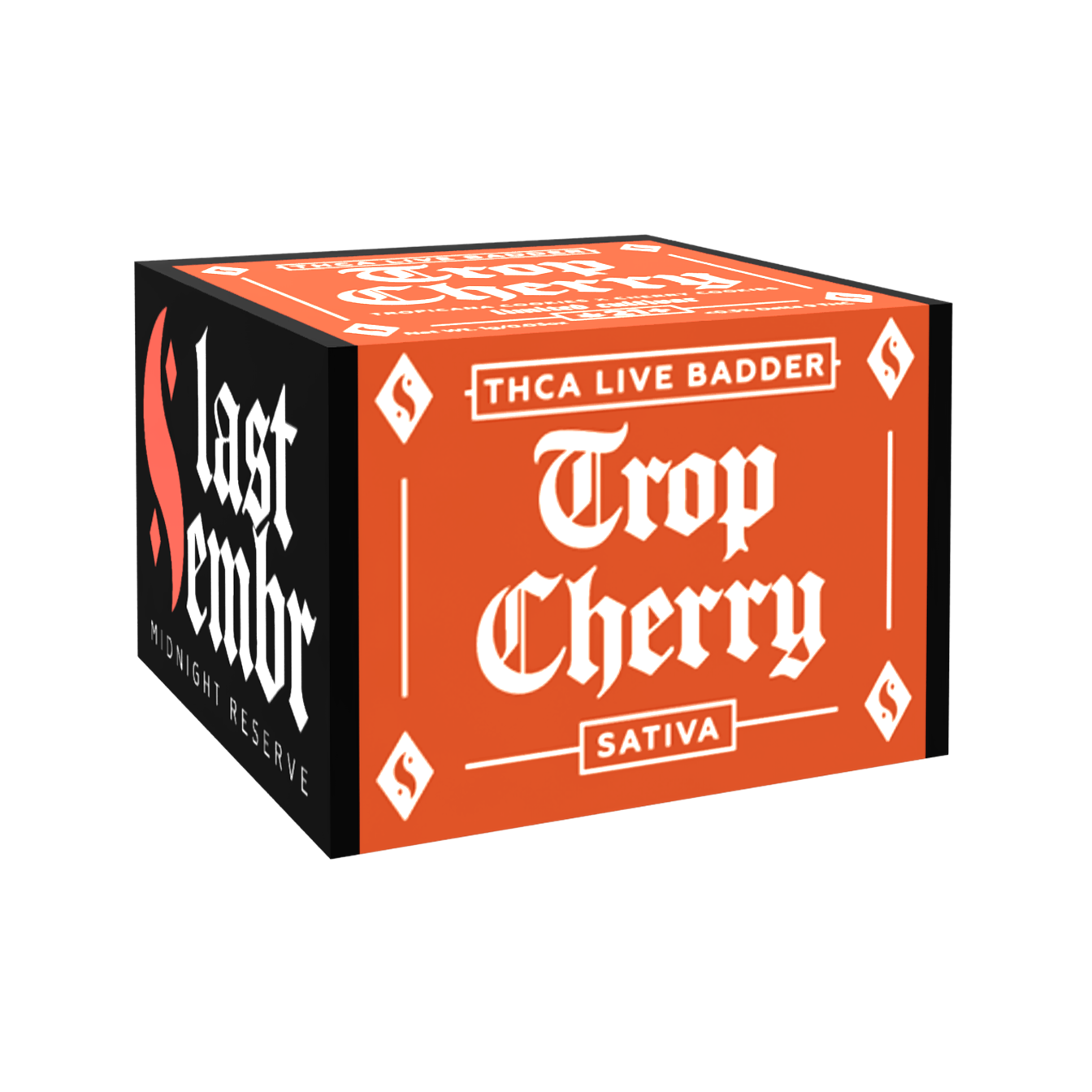

A jar that cracks open with loud tropical fruit, creamy candy, or a subtle gas finish is not here to play small. Hemp concentrates pack a high-density cannabinoid and terpene experience into a format made for shoppers who care about flavor, potency, and the personality of a strain.
They are also not all interchangeable. A glossy live resin, a whipped live badder, and a clean, solventless rosin may look like variations on the same theme, but their texture, handling, aroma, and production methods can be very different. Knowing what you are buying makes it easier to find an extract that actually matches your session.
What Are Hemp Concentrates?
Hemp concentrates are products that pull desirable compounds from hemp flower into a more concentrated form. Depending on the product, that can include cannabinoids such as THCA, CBD, Delta-8, or hemp-derived Delta-9, along with the aromatic terpenes that give a cultivar its citrus, berry, pine, candy, floral, or fuel-forward character.
The big difference from flower is density. Flower contains cannabinoids throughout the plant material. A concentrate puts more of those compounds into a smaller amount, which is why a tiny dab can feel very different from a full bowl or pre-roll. That efficiency is a major draw, but it also means portion control matters.
Live Resin
Live resin is known for a fresh, strain-forward profile. It is typically made using freshly harvested hemp that is frozen soon after harvest, helping preserve volatile terpenes that can fade during traditional drying and curing. The result is often loud on the nose, with a flavor profile closer to cracking open a fresh bag of flower.
Texture can range from saucy and glossy to more crystalline, depending on the extract. If terpenes are at the top of your list, live resin is usually a strong place to start. Expect a vivid profile, not a flat one-note flavor.
Live Badder
Live badder is prized for its whipped, creamy consistency. It is often easy to scoop, easy to portion, and less messy to work with than a runnier sauce-style concentrate. The texture can resemble soft frosting, wet clay, or creamy peanut butter, depending on the batch and storage conditions.
Badder is a texture category as much as it is a flavor promise. A live badder can carry the juicy, true-to-strain terpene character people seek from live extraction while offering a more approachable handling experience for a dab tool.
Rosin and Other Solventless Options
Rosin is made with heat and pressure rather than hydrocarbon solvents. For shoppers who specifically want a solventless extraction method, that distinction matters. Rosin can deliver rich flavor and a satisfying full-spectrum character, though it may be priced differently due to the material and process required.
Do not assume that solventless automatically means stronger or better for every preference. A well-made live resin may be the better fit for someone chasing a particular terpene profile, while rosin can appeal to someone who prioritizes the extraction method itself.
How to Choose Hemp Concentrates for Your Session
Start with the cannabinoid profile, not just a flashy strain name. If you are shopping THCA concentrate, remember that THCA can convert to THC when heated. That makes it a different type of experience from a CBD-focused extract. Potency can vary dramatically by product, so check the product details and certificate of analysis before deciding how much to use.
Then consider how you want the experience to land. A terpene-rich, fruit-forward extract may suit a social weekend session, while a gassy, heavier profile may be the flavor direction you reach for when you want something more old-school and funky. Terpenes do not guarantee a specific effect, but they are central to aroma, taste, and the overall character of an extract.
Match the Texture to Your Setup
A stable badder is often beginner-friendly because it stays on the tool well and portions cleanly. Sauce or diamond-style concentrates can be more delicate and may need a little extra patience. If you use a dab rig, e-rig, or concentrate-compatible vaporizer, make sure the device is designed for extracts and that you understand its temperature settings.
Low-temperature dabs usually preserve more flavor and feel smoother than scorching hot hits. Too much heat can turn a beautiful sweet-tropical profile into a harsh, toasted aftertaste. Start lower than you think, then adjust based on vapor production and flavor.
Let the COA Do Some Talking
A great-looking concentrate is not enough. Third-party lab testing is where a brand proves what is in the jar. Review the certificate of analysis for cannabinoid potency and, when available, screening information related to contaminants such as pesticides, heavy metals, residual solvents, and microbial impurities.
This is especially relevant for extracts because concentrates condense compounds from the source material. Buying lab-tested, federally compliant hemp products from a retailer that publishes documentation gives you a much clearer picture than buying based on packaging alone.
Start Smaller Than Your Ego Wants To
Concentrates reward restraint. If flower is your normal lane, your first dab should be tiny, especially with a high-potency THCA or alternative cannabinoid extract. Wait and assess before taking more. The goal is to find your sweet spot, not turn a flavor-chasing session into an uncomfortable one.
Newer shoppers may prefer a concentrate-compatible disposable vaporizer for simpler dosing and less equipment. More experienced extract fans may enjoy the ritual and control of a rig, quality quartz, and a precise temperature range. Neither route is automatically superior. It depends on whether you value convenience, control, or the full flavor ritual.
Storage Keeps the Terps Loud
Heat, sunlight, and air are not friends of a terpene-rich extract. Keep your concentrate sealed tightly in its original container and store it in a cool, dark place. Avoid leaving it in a hot car, by a sunny window, or near a warm electronic device.
Refrigeration can be useful for longer-term storage, particularly in warm climates, but let the container reach room temperature before opening it. Opening a cold jar can introduce moisture through condensation, which is not ideal for texture or freshness. For the concentrate you are currently using, a cool drawer or cabinet is usually enough.
A change in texture does not always mean an extract has gone bad. Badder can dry slightly, and sauce can shift or separate over time. Still, a noticeable loss of aroma, odd discoloration, or an off smell are reasons to pause and inspect the product rather than force a session.
A Few Smart Safety and Compliance Notes
Hemp concentrates are intended for adults. Keep them secured away from children and pets, and never drive or operate machinery after using intoxicating cannabinoid products. Effects can take you by surprise when you are experimenting with a new format, a new cannabinoid, or a much higher potency than your usual product.
Federal hemp compliance does not mean every cannabinoid product is treated the same way in every state. Rules can shift, and state-level restrictions may apply. Check local requirements before ordering or traveling with any hemp-derived extract.
If you are pregnant, nursing, taking medications, or managing a health condition, speak with a qualified healthcare professional before using cannabinoid products. Hemp extracts are not a replacement for medical care, and no concentrate should be marketed as a cure for a disease or condition.
Make Flavor Your Starting Point
The best concentrate is not necessarily the one with the biggest number on the label. It is the one that fits your tolerance, your hardware, and the kind of flavor you actually want to revisit. Maybe that is juicy berries with a creamy candy finish. Maybe it is sharp citrus, deep earth, or a loud little burst of gas.
Start with a lab-tested extract, keep your first portion modest, and give the terpenes room to speak. Your palate will tell you where to go next.