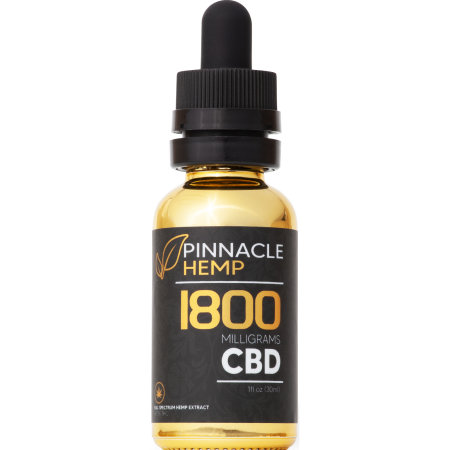
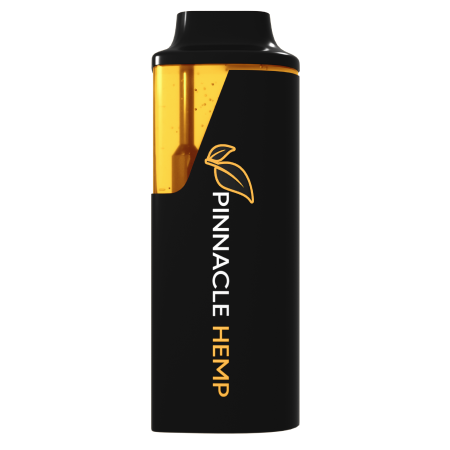
A vague jar labeled “hemp extract” is no longer enough. The future of hemp extracts belongs to shoppers who want to know what is in the formula, where it came from, how it tastes, and what kind of experience they can reasonably expect. That means less mystery oil, more strain character, clearer cannabinoid ratios, and lab reports that do more than sit in fine print.
For experienced hemp fans, this shift is already visible. A live resin disposable with juicy berry notes and a subtle gas finish is not competing with a plain CBD tincture on the same terms. Each has a lane, a format, and a reason to exist. The category is getting more interesting because it is getting more specific.
The Future of Hemp Extracts Is More Than Potency
Potency will always matter. Plenty of shoppers want a stronger cannabinoid profile, whether they are choosing THCA flower, a Delta-9 gummy, a concentrated live badder, or a THCP-forward blend. But milligrams alone do not tell the whole story.
The next wave of extracts will put more weight on the full formula: cannabinoid balance, terpene content, extraction method, source material, and how the product is meant to fit into a real routine. A high-potency vape that tastes scorched or hits harsh is not premium. Neither is a gummy with a huge number on the label and no meaningful detail about its supporting ingredients.
This is where cannabis-style product knowledge has changed the hemp market. Shoppers increasingly ask whether an extract came from fresh-frozen material, whether it preserves native terpenes, and whether a formula leans bright and energetic, calm and body-heavy, or somewhere in the middle. Those questions push brands to build better products instead of simply louder labels.
There is a trade-off, though. More nuanced extraction and formulation can cost more than basic distillate. Live resin, live rosin, and carefully strain-specific products often command a higher price because the inputs and processing are more demanding. For many shoppers, that extra character is worth it. For others, a straightforward, consistent gummy or tincture may be the smarter everyday pick.
Terpenes Will Keep Moving to Center Stage
Terpenes are not just a trendy ingredient callout. They are a major reason one extract feels distinct from the next in aroma, flavor, and overall character. Citrus peel, creamy candy, sharp pine, sweet tropical fruit, peppery spice, and old-school gas are part of the experience – especially for people who already know what they like in flower.
The hemp extract market is moving beyond one-note flavor masking. Expect more products that make terpene profiles part of the buying decision, not an afterthought. That could mean a vape built around bright limonene-forward fruit notes, a nighttime tincture with a softer botanical profile, or a concentrate that keeps the loud personality of the cultivar front and center.
That does not mean every product needs to taste like a candy shop. Some shoppers want bold flavor; others want a low-key, clean-tasting formula that is easy to use without turning every dose into a production. Better options will serve both camps honestly.
A good label should also separate naturally occurring cannabis-derived terpenes from added flavoring where applicable. There is room for both, but the distinction matters to shoppers who are paying for a particular kind of extract experience.
Extraction Methods Will Become a Real Buying Filter
“Extract” is an umbrella term, and the method behind it makes a difference. As customers become more educated, categories such as distillate, live resin, live rosin, full-spectrum oil, broad-spectrum oil, and isolate will feel less like insider jargon and more like practical shopping filters.
Distillate can be a useful foundation for cannabinoid-specific formulas because it is versatile and can be formulated with precision. It is often a sensible fit for gummies, cartridges, and blends where consistency is the main goal. But it may not deliver the same plant-forward character as a live extract.
Live resin generally appeals to shoppers chasing louder aroma and strain-inspired flavor. It begins with material processed in a way that aims to preserve more of the plant’s volatile compounds. Live rosin occupies a premium lane for people who care about solventless processing and a more craft-focused concentrate experience. Neither method is automatically “best” for every buyer. The right choice depends on whether someone values flavor depth, cannabinoid specificity, price, portability, or a particular consumption format.
The brands that earn repeat business will explain these differences without turning every product page into a chemistry lecture. Shoppers deserve enough detail to choose confidently, plus language that makes the experience sound worth trying.
Smarter Formats Will Beat One-Size-Fits-All Products
The future is not one miracle extract in one perfect format. It is a better match between product and moment.
A disposable vaporizer can make sense for an adult who wants fast flavor, portability, and strain-style variety. Gummies can be a more measured option for someone building a predictable evening routine. Tinctures offer flexible serving sizes, while topicals stay in their own lane for targeted skin application. Concentrates speak to enthusiasts who want high-impact flavor and already understand their preferred hardware and serving size.
Expect more crossover products, too. CBD paired with other hemp-derived cannabinoids, terpene-driven blends, and formulas designed around daytime, nighttime, or post-work decompression will keep growing. The best of these products will avoid pretending that everyone responds the same way. Body chemistry, tolerance, serving size, timing, and personal preferences all matter.
That is especially true for potent formats. A seasoned concentrate fan and a first-time gummy shopper should not receive the same casual advice. Clear serving guidance, patient pacing, and direct labeling are part of responsible product design. Start low when trying something new, give ingestible products adequate time, and avoid stacking products just because the packaging looks fun.
Testing Will Become the Price of Entry
Lab testing is moving from a nice extra to a basic expectation. A certificate of analysis should help customers verify cannabinoid content and review relevant safety screening, not merely provide a vague stamp of approval.
For hemp extracts, transparency matters at every step: US-grown sourcing, batch-level testing, cannabinoid identity, and compliance with federal hemp requirements. The legal landscape can shift by state and product category, so responsible retailers must keep product availability, labeling, and shipping practices aligned with current rules.
This is where polished branding has to be backed by receipts. A colorful package and a wild flavor name can get attention, but quality holds attention. At Pinnacle Hemp, that means pairing cannabis-culture energy with published lab results, federally compliant products, and an actual range of formats for different kinds of shoppers.
The category will also face more scrutiny around products that are poorly labeled, inaccurately dosed, or positioned with unrealistic promises. That pressure is healthy. It separates companies focused on long-term trust from those chasing a quick trend.
Expect Fewer Generic Blends and Better Product Stories
For years, much of the hemp market treated cannabinoids like interchangeable ingredients. Put a number on the front, add a fruit flavor, and call it a day. That approach is losing its grip.
The strongest products going forward will have a clear story. Maybe it is a strain-inspired live resin with creamy candy notes. Maybe it is a CBD-forward tincture designed for shoppers who prefer a non-intoxicating cannabinoid option. Maybe it is a carefully portioned gummy that makes serving size simple. The point is not to manufacture hype. The point is to tell customers what makes the formula different and why that difference is relevant.
That clarity matters for wellness-minded buyers, too. Hemp-derived CBD products may fit into some adults’ personal routines, but they are not a substitute for medical care or a cure-all. Customers taking medications, managing health conditions, pregnant or nursing, or unsure about cannabinoid use should speak with a qualified healthcare professional first. Honest education builds more trust than oversized promises ever will.
What Savvy Shoppers Should Watch For
As the market gets more crowded, a few signals will help separate a serious extract from a random bottle or cart. Look for a cannabinoid profile that is easy to understand, accessible third-party lab documentation, clear serving guidance, and a description that says more than “premium.” For inhalable products, pay attention to hardware quality and whether the formula identifies its extract type. For edibles and tinctures, look closely at total cannabinoid content versus per-serving content.
Freshness will matter more, too. Terpene-rich products are at their best when stored properly, away from excessive heat and direct light. An extract can be beautifully made and still disappoint if it sits neglected in a hot car or sunny windowsill.
The real win is not chasing every new cannabinoid acronym the second it lands. It is finding products with transparent formulas, a flavor profile you actually enjoy, and a format that fits the way you want to use hemp. That is where the category is headed – more choice, more character, and far less guesswork.