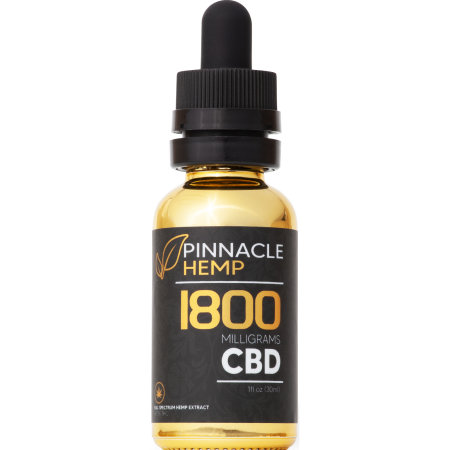
A CBD label can look simple until you hit the extract type. Full spectrum versus broad spectrum is one of the biggest decisions behind a tincture, gummy, topical, or pet product – and the right call comes down to more than just strength. It comes down to whether you want THC in the mix, how you respond to hemp’s wider cannabinoid and terpene profile, and what your daily routine allows.
For shoppers who want the whole-plant experience, full spectrum has serious appeal. For people who want CBD plus a wider range of hemp compounds without intentionally buying THC, broad spectrum can be the cleaner lane. Here is how to tell them apart without getting lost in label noise.
What Full Spectrum CBD Actually Means
Full spectrum CBD is a hemp extract that keeps a broad range of naturally occurring compounds from the plant. That can include CBD, minor cannabinoids such as CBG and CBN, terpenes, flavonoids, and federally compliant levels of delta-9 THC.
Under federal hemp rules, hemp-derived products must contain no more than 0.3% delta-9 THC by dry weight. That number sounds tiny, but it is not the same thing as zero THC. Depending on the serving size, product format, your individual sensitivity, and how often you use it, a full spectrum product may feel different from a THC-free formula.
The appeal is the fuller plant profile. Hemp is not a one-note crop. Its cannabinoids and aromatic terpenes work alongside one another, which is why many experienced shoppers prefer extracts that preserve more of what the plant naturally offers. A high-quality full spectrum tincture may bring earthy, herbal, citrusy, or lightly peppery notes rather than tasting like stripped-down CBD isolate.
That plant-forward character is a feature, not a flaw. Still, it is not for everyone. If you are highly sensitive to THC, need to avoid THC for personal or professional reasons, or simply want a more predictable CBD-only-leaning routine, full spectrum may be more than you need.
What Broad Spectrum CBD Means
Broad spectrum CBD starts with a multi-compound hemp extract, then undergoes additional processing intended to remove THC. It can retain CBD, select minor cannabinoids, and terpenes while leaving out detectable delta-9 THC in the finished formula.
That makes broad spectrum a popular middle ground. It offers more botanical depth than CBD isolate, which contains CBD alone, while sidestepping the intentional THC component of full spectrum products. Think of it as keeping much of the band while taking one instrument off the stage.
Broad spectrum is especially worth considering for shoppers who want CBD’s versatility in a daytime tincture, a post-workout topical, a nightly gummy, or a pet-focused formula without choosing a THC-containing extract. It also works well for newcomers who want to learn how CBD fits their routine before stepping into more THC-forward hemp categories.
One detail matters: broad spectrum should not be confused with a guarantee against a positive drug test. Product testing can confirm that a batch shows non-detectable THC, but no hemp product can promise a drug-test outcome. Testing methods, personal metabolism, frequency of use, and cross-contamination risk all vary. If drug testing is a concern, the safest choice is to avoid cannabinoid products or speak with the testing authority or employer about their policy.
Full Spectrum Versus Broad Spectrum: The Real Difference
The headline difference is THC. Full spectrum products contain federally compliant delta-9 THC, while broad spectrum products are formulated to remove it. But the smarter comparison goes beyond that one line on the label.
Full spectrum may feel more complete to a shopper looking for an authentic hemp extract with the plant’s naturally layered profile intact. Broad spectrum may be the better fit for someone who likes the idea of CBD alongside terpenes and minor cannabinoids but does not want THC to be part of the purchase decision.
Neither format automatically wins on quality. A low-grade full spectrum extract is not better just because it has THC, and a broad spectrum formula is not inferior because it does not. The real quality markers are where the hemp was grown, how the extract was made, whether the formula matches its label, and whether a current third-party certificate of analysis backs it up.
How to Choose Based on Your Routine
Start with the question most shoppers skip: what do you need this product to do in your actual day? If you are trying CBD for a low-key daily wellness ritual, broad spectrum can offer a comfortable entry point. If you already know you enjoy a fuller hemp profile and are comfortable with legal trace-level THC, full spectrum may better match your preferences.
Format changes the experience, too. A tincture lets you fine-tune your serving size drop by drop. Gummies make dosing simple and discreet, though effects can take longer to arrive because they are swallowed. Topicals are applied to the skin and fit easily into a targeted self-care routine. Full and broad spectrum can show up in each format, but the product type should make sense for how you plan to use it.
Flavor is another quiet tiebreaker. Full spectrum oils often have a more pronounced hemp taste, with grassy, resinous, or earthy notes. Broad spectrum products may taste cleaner, particularly when paired with natural fruit flavors. If you love terpene-rich flower with sweet tropical fruit up front and a subtle gas finish, you might appreciate a more expressive full spectrum profile. If you want your CBD to stay in the background, broad spectrum may be easier to work into your day.
Read the COA Before You Commit
A certificate of analysis, usually called a COA, is where a product’s story gets real. Marketing can tell you an extract is premium. A batch-specific lab report should show you what is actually inside.
Check that the cannabinoid panel matches the label claim and that the report identifies the product or batch. For full spectrum, look for the listed THC level and confirm it remains within the legal hemp limit. For broad spectrum, look for non-detectable THC results if that is the reason you are choosing it. A solid COA should also include safety screening for contaminants such as pesticides, heavy metals, residual solvents, and microbial impurities.
Be mindful of the serving size while you read. A bottle labeled 1,500 mg CBD is not delivering 1,500 mg per dropper unless the label says so. Divide the total CBD by the number of servings to understand the amount per serving, then begin conservatively. You can always adjust over time, but there is no prize for rushing your first experience.
A Quick Note on Hemp, THC, and Expectations
Legal hemp is not the same thing as every hemp product feeling identical. Full spectrum CBD can contain enough THC to matter to sensitive users, especially with repeated use. Broad spectrum may remove that variable, but it can still have a distinct cannabinoid and terpene profile from one formula to the next.
That is why strain details, extraction style, freshness, and lab results deserve your attention. The same mindset that helps you choose flower by aroma, cure, and cannabinoid profile also helps you choose CBD. Do not buy a vague promise. Buy a clearly labeled formula with testing that earns your trust.
Pinnacle Hemp keeps that standard straightforward: organically grown US hemp, transparent lab testing, and formulas built for people who want to know what they are getting before they open the package.
The best pick is the one you will actually feel good about using consistently. Choose full spectrum when a complete hemp profile and legal THC fit your comfort zone. Choose broad spectrum when you want CBD with more plant character than isolate, minus the intentional THC. Then give the product time, pay attention to your own response, and let the label and lab report guide the next move.